Bread & baking
How to Keep Bread Fresh in Lahore's Heat and Humidity
Where to store milky bread, brown bread and sourdough in Lahore's hot, humid months, how to freeze loaves well, and how to revive stale bread.
By The Golden Crust Bake Team · · updated · 7 min read
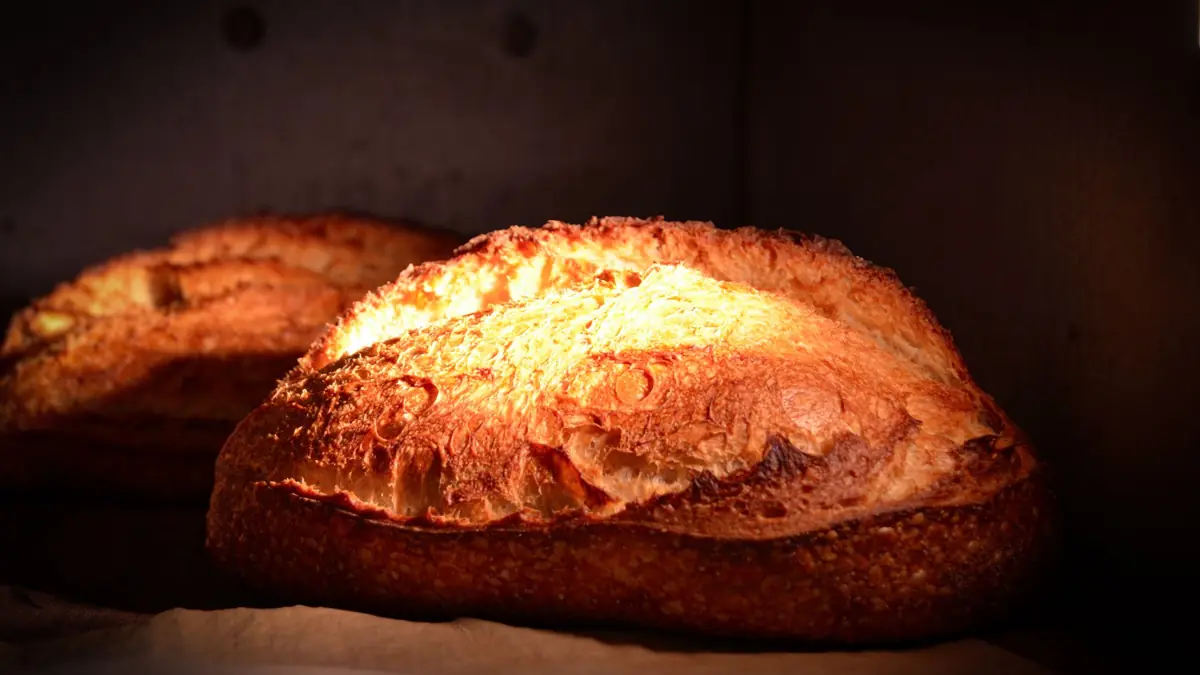
Quick answer: in Lahore's heat and humidity, keep fresh bread at room temperature in a breathable bag, out of the sun and away from the stove, eat soft loaves within a day or two, and freeze anything you won't finish on the day you buy it. Avoid the fridge for everyday storage — it dries bread out faster. Revive crusty loaves in a hot oven with a splash of water.
Lahore weather is hard on bread. The long hot season, the sticky monsoon months, and the warm kitchens of most homes all push a loaf towards staleness or mould faster than in a cooler city. Our bread is baked overnight at the Central Bakehouse and on the counters before the branches open, so it starts its life fresh — this guide is about keeping it that way once it reaches your kitchen.
Key takeaways
- Heat speeds up mould; cold (in the fridge) speeds up staling. The freezer avoids both.
- Store bread cut-side down or in a cloth or paper bag; never seal it while warm.
- Slice before freezing so you can take out only what you need.
- Sourdough keeps longer than soft milky bread because of its crust and acidity.
Why does bread go stale or mouldy so quickly in Lahore?
Bread goes stale because the starch inside it slowly recrystallises and pushes out moisture, and it goes mouldy because warm, humid air is perfect for mould spores. Lahore has both problems at different times of year. In the dry heat of May and June, an uncovered loaf dries out at the surface within hours. In the humid monsoon weeks, a loaf sealed in plastic can sweat and grow mould surprisingly quickly.
The trick is to manage moisture: enough covering to stop drying out, enough airflow to stop sweating. This is general food-science knowledge rather than anything special to us, and you will find the same advice in most baking books.
Is bakery bread different from packaged bread?
Yes. Many factory-packaged loaves use ingredients designed to extend shelf life. Fresh bakery bread is made to be eaten fresh and generally has a shorter life, which is why storage matters more. Check the label or ask at the counter about any specific loaf.
Where should I store each type of bread?
Store soft loaves in their bag in a cool cupboard, crusty loaves in cloth or paper, and anything extra in the freezer. Different breads behave differently, so here is how we would store our own breads at home.
| Bread | Best way to store | Best eaten within (hot, humid weather) | Freezer? |
|---|---|---|---|
| Milky bread (large) | In its bag, sealed, in a cool cupboard | About 1–2 days | Yes, sliced |
| Brown bread | In its bag, sealed, in a cool cupboard | About 1–2 days | Yes, sliced |
| Sourdough loaf | Cut-side down on a board, or in a cloth/paper bag | About 2–3 days | Yes, sliced or whole |
| Burger buns | In their bag, away from heat | About 1 day | Yes, split before freezing |
| Dinner rolls | In their bag or a covered box | About 1 day | Yes |
These are practical guides, not guarantees — your kitchen temperature, the time of year and whether the loaf has been opened all make a difference. Each product page also notes how long it keeps.
Where is the worst place to keep bread?
On top of the fridge, beside the stove or the kettle, or anywhere sunlight hits in the afternoon. These spots are warmer than the rest of the kitchen and will speed up both drying and mould. A cupboard on an inside wall is usually the coolest spot in a Lahore kitchen.
Should bread go in the fridge?
For most bread, no. The fridge's temperature is in the range where starch stales fastest, so a loaf in the fridge often tastes dry and tired within a day, even though it stays mould-free for longer. That makes the fridge a poor compromise for sourdough or anything crusty.
There is one exception: if the weather is very humid, the house is warm and you have no freezer space, a soft sandwich loaf in the fridge will at least be safe for toasting. Just plan to toast or warm it rather than eating it plain.
How do I freeze bread properly?
Freeze bread on the day you buy it, sliced and tightly wrapped, and it will taste close to fresh for several weeks. Freezing stops both staling and mould, which makes it the best friend of anyone who cannot finish a loaf in two days.
- Let it cool completely. Never wrap warm bread — the trapped steam turns to ice and then to soggy patches.
- Slice first. Sliced bread lets you take out two pieces at a time. For sourdough, slice to your usual toast thickness.
- Wrap tightly. Use a freezer bag with the air pressed out, or wrap in cling film and then foil. Air is what causes freezer burn.
- Label it. Write the type of bread and the date with a marker.
- Freeze flat. Lay the bag flat until frozen so slices don't stick together in a lump.
- Use within a few weeks. Bread is safe for longer, but quality is best in the first month or so.
How do I thaw frozen bread?
Toast slices straight from the freezer — no need to thaw. For a whole loaf, leave it wrapped at room temperature for a few hours (so condensation forms on the wrapping, not the bread), then refresh it in a hot oven for 5–10 minutes. Burger buns and rolls thaw in under an hour and can be warmed in a pan or oven.
How do I revive stale bread?
Add a little moisture and heat. Staling is partly reversible because warming the bread loosens the starch again — which is why a day-old loaf can taste almost new after a few minutes in the oven.
| Bread condition | Revival method | Time |
|---|---|---|
| Crusty sourdough, a bit firm | Run the crust briefly under the tap, bake in a hot oven | 5–8 minutes |
| Soft sandwich bread, dry edges | Toast, or warm in a covered pan | 1–3 minutes |
| Rolls and buns | Wrap in foil with a few drops of water, warm in the oven | 5 minutes |
| Too far gone to revive | Turn into rusks, croutons or bread pudding | — |
Eat revived bread straight away — it will stale again quickly once it cools.
What can I make with bread that is past its best?
Stale (but never mouldy) bread is an ingredient, not waste. A few ideas from our kitchen:
- Homemade rusks: slice, brush lightly with butter and sugar, and dry slowly in a low oven. Lovely with chai — though our cake rusk is the easy shortcut.
- Croutons: cube, toss in oil, salt and a pinch of chaat masala, and bake until crisp.
- Bread pudding or shahi tukray: fry or toast slices and soak them in sweetened, cardamom-scented milk.
- Breadcrumbs: blitz dry bread and store in a jar for coating kebabs and cutlets.
Always throw away bread with visible mould. Mould can spread through a soft loaf beyond what you can see, so cutting off the patch is not enough.
How can I buy bread so less of it goes to waste?
Buy smaller amounts more often, and time your collection with when you will eat it. That is easier when a branch is close by — our branches in Gulberg, DHA Phase 5 and Johar Town open early, and the shelves are stocked from the morning bake.
- Order for pickup in a 30-minute slot that matches your plans — see pickup and delivery for how slots and the same-day cut-off work.
- Choose the right size. Dinner rolls or burger buns suit a single meal; a large milky loaf suits a family breakfast.
- Freeze half the day you buy it if you know you will not finish it.
- Pick sourdough for longer keeping — its thicker crust and natural acidity mean it holds up better in hot weather than soft white bread.
If you have food allergies, remember that our bread is made in a kitchen that also handles eggs, milk, tree nuts, soy and sesame — see our allergen information for details on each loaf.
Does the season change how I should store bread?
Yes — adjust your approach with the weather. In the cool, dry months of December and January, bread keeps noticeably longer at room temperature and a crusty loaf can sit cut-side down on a board for a few days. From spring into the hot season, shorten your expectations and freeze sooner. In the monsoon, focus on airflow and keeping bread out of sealed, warm spaces.
| Season in Lahore | Main risk | What to do |
|---|---|---|
| Winter (cool, dry) | Drying out | Keep bagged or cut-side down; room temperature is fine |
| Spring | Both, mildly | Eat within a couple of days, freeze extra |
| Summer (hot, dry) | Rapid drying | Keep sealed and cool; freeze promptly |
| Monsoon (hot, humid) | Mould | Keep airflow, avoid sweating, freeze promptly |
Fresh bread is one of the simplest pleasures of a Lahori morning — a warm slice of milky bread with butter and chai is hard to beat. A little care with storage means that pleasure lasts beyond breakfast. Browse today's breads and pick up a loaf at the branch nearest you.
Frequently asked
Should I keep bread in the fridge in summer?
Usually no — the fridge makes bread go stale faster, even though it slows mould. In Lahore's hottest, most humid weeks, freezing is the better option for anything you will not finish within a day or two. The fridge is only a fallback for soft sandwich bread when you have no freezer space.
How long does fresh bakery bread last in Lahore?
Soft milky and brown bread is best within about two days in hot, humid weather, while a crusty sourdough keeps its quality for around two to three days. Bakery bread without heavy preservatives will not last as long as some packaged supermarket loaves. Freeze what you will not eat in that time.
Can I freeze sourdough bread?
Yes, sourdough freezes very well. Slice it first, wrap it tightly, and toast slices straight from the freezer. Whole loaves can be frozen too and refreshed in a hot oven after thawing.
How do I stop mould on bread during the monsoon?
Keep bread cool, dry and away from the stove, and never seal a still-warm loaf in plastic. Buy smaller quantities more often and freeze the rest on the day you buy it. Throw away any loaf with visible mould rather than cutting the patch off.
How do I make stale bread soft again?
Sprinkle a crusty loaf lightly with water and warm it in a hot oven for a few minutes. For soft sandwich bread, toasting or a quick warm in a covered pan works best. Bread that is past reviving makes excellent rusks, croutons or bread pudding.